
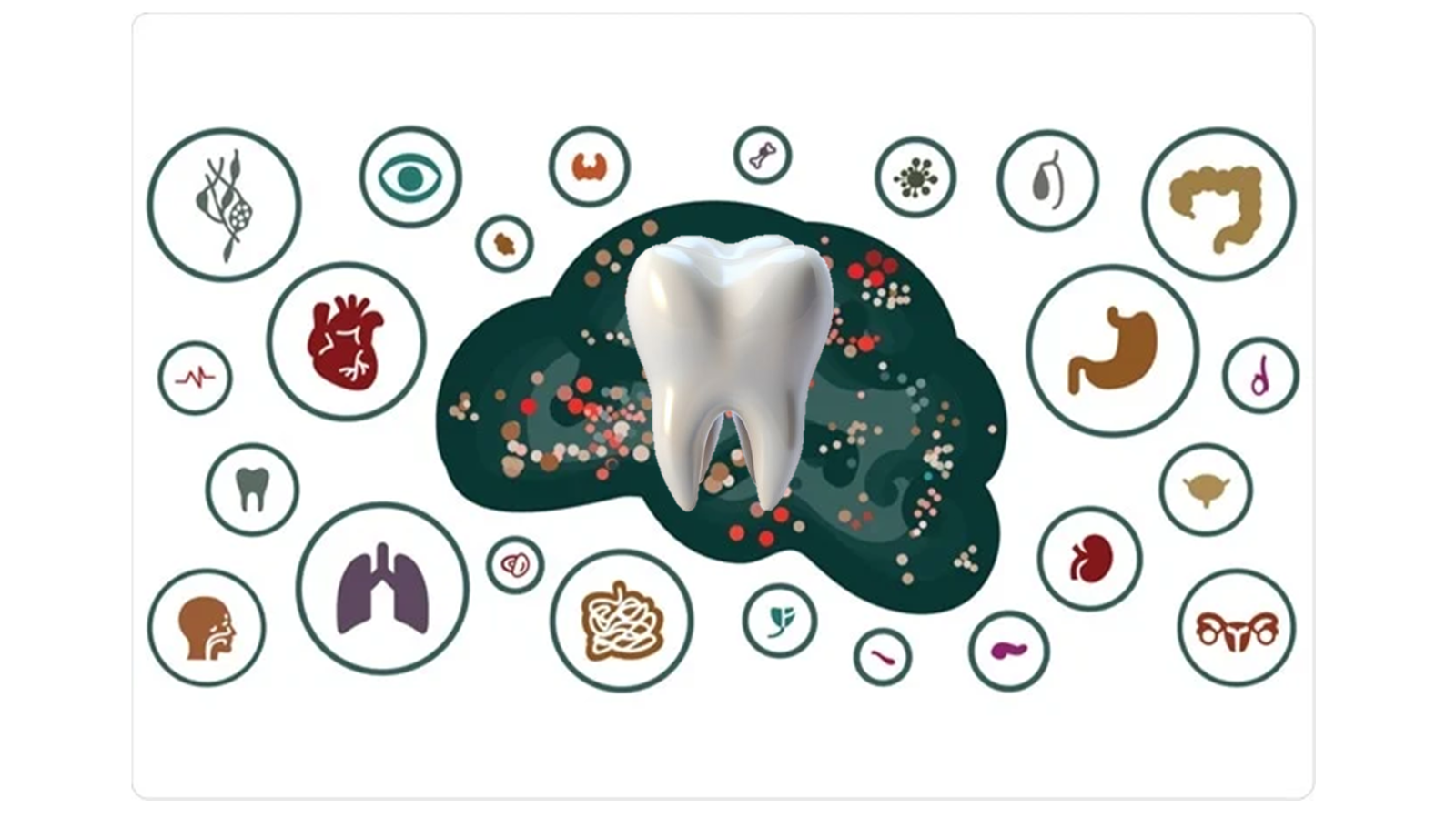
The course “Neuroscience and Applied Psychosomatics in Dental Medicine” offers an interdisciplinary exploration of the complex relationship between the brain, mind, and body in the context of dental medicine. Building on the integrative foundations of contemporary neuroscience and clinical psychosomatics, the course provides an innovative perspective on how neural, emotional, and behavioral processes influence oral health and the dental therapeutic process.
Topics covered include the interdisciplinary approach to pain in dentistry, psychosomatic mechanisms involved in cardiovascular diseases and diabetes, as well as the impact of stress and emotional regulation on the immune system and inflammatory reactivity.
On the practical side, the course introduces modern technologies used in dental practice, such as virtual reality for anxiety management, biofeedback in the treatment of bruxism, and neurofeedback in pediatric dentistry. Additionally, the course addresses the use of clinical hypnosis for pain and dental anxiety control, as well as the impact of dental interventions on neural networks and neuroplasticity processes.
The polyvagal theory of stress and mindfulness practice are given special emphasis.
The psychosomatic dimension is further explored through the analysis of oral symptoms as expressions of the unconscious, dysmorphic disorders in dental practice, and through cognitive-behavioral therapeutic approaches adapted to the clinical dental context.
Finally, the course promotes patient-centered dentistry, inspired by the application of motivational interviewing as a tool to enhance compliance, empathy, and the quality of the dentist–patient relationship.